Wok or Fryer? Crafting Perfect Homemade General Tso's Chicken
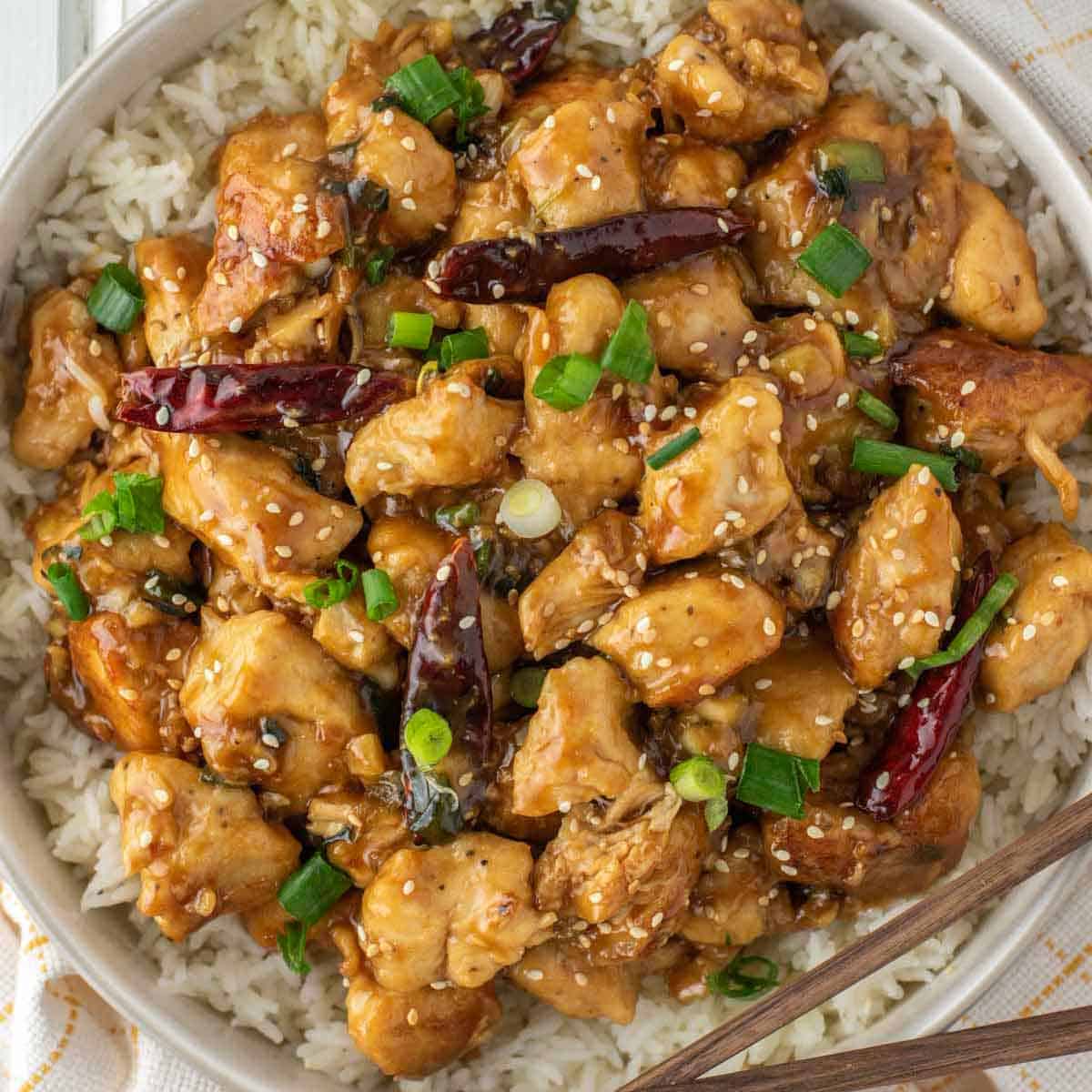
The enticing aroma of sweet, spicy, and savory General Tso's Chicken is a beloved scent in kitchens and takeout restaurants across North America. This iconic dish, known for its crispy chicken bathed in a glossy, flavorful sauce, has become a go-to comfort food. While ordering takeout is always an option, there's immense satisfaction and control in preparing your own
general tsos chicken recipe at home. But for many aspiring home cooks, a crucial question arises: what's the best method for achieving that signature crispy chicken – a deep fryer or a wok? Let's delve into the art and science behind crafting this perfect dish, exploring both methods and offering insights to elevate your homemade creation.
The Crispy Conundrum: Wok Frying vs. Deep Frying Your General Tso's Chicken
At the heart of an exceptional General Tso's Chicken lies the texture of the chicken itself: irresistibly crispy on the outside, tender and juicy within. The method you choose for cooking the chicken pieces significantly impacts this desired crunch.
Deep Frying for Ultimate Crispness
When authenticity and maximum crispiness are your top priorities for a
general tsos chicken recipe, deep frying stands out. This method involves submerging the battered chicken pieces completely in hot oil, usually at a consistent temperature of around 375°F (190°C).
*
Pros:
*
Superior Crispness: Full immersion ensures an even, golden-brown crust that truly "snaps" with every bite. The high, consistent heat rapidly cooks the exterior, creating a barrier that locks in moisture.
*
Faster Cooking: Each piece cooks quickly and uniformly, allowing you to prepare batches efficiently.
*
Authentic Texture: This is the method often employed in professional kitchens, yielding results most akin to your favorite takeout.
*
Cons:
*
More Oil Required: Deep frying necessitates a substantial amount of oil, which can feel less economical and might be perceived as less healthy.
*
Cleanup: Splatter is a common byproduct, leading to more cleanup.
*
Equipment: While a sturdy wok can be used for deep frying, a dedicated deep fryer or a large, heavy-bottomed pot might be preferred for safety and temperature control.
*
Technique: For deep frying, ensure your chicken pieces are cut into uniform 1-inch chunks from boneless, skinless thighs (known for retaining moisture and flavor better than breasts when fried). A simple batter of beaten eggs and cornstarch creates an ideal coating for deep frying, adhering well and crisping beautifully. Heat your oil to 375°F. Fry chicken in small batches to avoid overcrowding and dropping the oil temperature, which can lead to greasy chicken. Once golden, drain on paper towels to remove excess oil.
Pan Frying/Stir Frying for a Lighter Touch
For those seeking a simpler, quicker, or potentially lighter alternative without sacrificing flavor, pan frying or stir-frying the chicken in a wok or large non-stick skillet is an excellent approach for your
general tsos chicken recipe.
*
Pros:
*
Less Oil: Significantly reduces the amount of oil needed, making cleanup easier and potentially a "healthier" option.
*
Accessible: Most home kitchens are equipped with a wok or a large skillet, eliminating the need for specialized deep-frying equipment.
*
Quicker Cleanup: Less oil generally means less splatter.
*
Cons:
*
Less Consistent Crispness: While you can achieve a good crisp, it may not be as uniform or as deep as with full submersion frying. The chicken is usually browned rather than fully enveloped in oil.
*
Requires More Attention: You'll need to actively turn and stir the chicken to ensure even browning.
*
Potential for Uneven Cooking: If not managed well, some pieces might brown more than others.
*
Technique: Cut chicken into similar 1-inch pieces. Instead of a full egg-cornstarch batter, you might opt for a lighter dusting of cornstarch or simply brown the chicken directly after seasoning. Liberally spray a wok or non-stick skillet with cooking spray or drizzle in 1-2 tablespoons of vegetable oil. Add chicken and brown for 5-8 minutes, using more oil if necessary to assist with browning. The chicken should be almost cooked through before the sauce is added. This method is particularly well-suited for recipes like the
Quick 35-Minute Wheat-Allergy Friendly General Tso's, which prioritizes speed and ease.
Ultimately, the choice between wok deep frying and pan frying depends on your priorities: maximum crispness and authentic texture versus ease, speed, and less oil. Both can yield a delicious homemade
general tsos chicken recipe.
Crafting the Irresistible General Tso's Sauce: Sweet, Spicy, and Savory
While crispy chicken is non-negotiable, the soul of any great General Tso's Chicken lies in its distinctive sauce. It's a complex symphony of sweet, spicy, tangy, and savory notes that coat every piece of chicken with glossy perfection. Mastering this balance is crucial for an outstanding
general tsos chicken recipe.
*
The Flavor Foundation:
*
Sweetness: Typically derived from sugar, or a sugar substitute like Splenda for dietary considerations. This balances the heat and tang.
*
Tang/Acidity: Rice vinegar or white wine vinegar provides the essential tang. Rice wine, often used, also contributes a subtle sweetness and depth.
*
Savory Depth: Soy sauce is a primary component, offering umami and saltiness. For a wheat-free option, use Tamari or a specifically labeled wheat-free soy sauce like LaChoy. Chicken broth can also add a richer, more complex savory base.
*
Heat: Dried red chili peppers (often stir-fried at the beginning to infuse the oil) or red pepper flakes provide the characteristic spicy kick. Adjust to your preference – from a gentle warmth to a fiery punch.
*
Aromatics: Freshly grated ginger, minced garlic, and sliced green onions (scallions) are stir-fried at the beginning to build a robust flavor base that permeates the entire dish.
*
The Thickening Secret: Cornstarch Slurry
Cornstarch is the magic ingredient that transforms a watery mixture into a thick, glossy sauce. However, its application requires precision.
*
The "Slurry" Principle: Cornstarch must be mixed with a cold liquid (water, broth, or part of the sauce base) *before* being added to the hot pan. This creates a "slurry" which prevents lumps.
*
Timing is Key: A crucial tip from experienced cooks is to add the cornstarch to your mixed sauce ingredients *just before* you're ready to pour it into the hot wok. Adding it too early can result in a "gloopy and slugdy" sauce that doesn't thicken smoothly.
*
Activation: Once the slurry is added to the hot chicken and aromatics, the sauce needs to come to a boil. The heat causes the cornstarch granules to swell and burst, thickening the sauce to that signature bubbly, clingy consistency. Then, reduce to a simmer to maintain thickness.
Whisking together the rice vinegar, rice wine (or white wine vinegar), soy sauce, sugar (or Splenda), cornstarch, and optionally chicken broth and fresh ginger creates a harmonious blend that is ready to be introduced to your perfectly cooked chicken. This sauce is the star that brings the entire
general tsos chicken recipe together.
Perfecting Your Homemade General Tso's Chicken Recipe: Tips and Tricks
Achieving takeout-quality General Tso's at home is entirely within reach with a few key techniques and considerations.
*
Choose Your Chicken Wisely: Boneless, skinless chicken thighs are often recommended for their juiciness and flavor, holding up well to frying. Chicken breasts are leaner and can dry out if overcooked, but are still a viable option, especially for lighter versions. For more insights on chicken choice, see
Master Sweet & Spicy General Tso's: Easy Takeout at Home.
*
Uniform Cuts: Cut your chicken into roughly 1-inch chunks. This ensures even cooking and easier eating.
*
Oil Temperature is Paramount: Whether deep frying or pan frying, maintaining the correct oil temperature is critical. Too low, and the chicken absorbs too much oil, becoming greasy. Too high, and the outside burns before the inside cooks. A thermometer is a valuable tool here.
*
Don't Crowd the Pan: Fry chicken in batches, especially if deep frying. Overcrowding lowers the oil temperature significantly, leading to soggy, less crispy results.
*
Aromatics First, Always: Before adding the chicken or sauce, always stir-fry your dried chili peppers, garlic, ginger, and scallions (the white parts) for 30 seconds to a couple of minutes. This infuses the cooking oil with incredible flavor that will carry through the entire dish.
*
Sauce Timing: As mentioned, mix the cornstarch into your sauce base just before you're ready to add it to the wok. Pour the sauce over the *almost cooked* chicken and aromatics, then stir continuously until it thickens and bubbles.
*
Garnish Generously: Freshly sliced green onions (the green parts) add a burst of color, freshness, and a mild oniony crunch that beautifully complements the rich sauce.
*
Serve Immediately: General Tso's Chicken is best enjoyed piping hot, straight from the wok, served over a bed of fluffy white rice. The crispiness of the chicken will soften over time once coated in sauce.
Customizing Your General Tso's for Dietary Needs & Preferences
One of the greatest advantages of making your
general tsos chicken recipe at home is the ability to tailor it to your specific tastes and dietary requirements.
*
Gluten-Free: Easily achieved by using Tamari or a certified gluten-free soy sauce (like LaChoy) and ensuring any chicken broth used is also gluten-free.
*
Sugar Alternatives: If monitoring sugar intake, substitute regular sugar with Splenda or another preferred sweetener, adjusting the amount to taste.
*
Spice Level: Feel free to adjust the number of dried red chili peppers or red pepper flakes to create a mild, medium, or extra-spicy kick.
*
Vegetarian/Vegan: Tofu or tempeh can be cubed, battered, and fried in place of chicken for a delicious plant-based alternative. Adjust cooking times accordingly.
*
Adding Vegetables: While not traditional, quickly stir-frying some broccoli florets, bell peppers, or snow peas with the aromatics can add extra nutrients and crunch.
Conclusion
Whether you opt for the authentic deep-fried crunch in a wok or a lighter pan-fried approach, mastering a homemade
general tsos chicken recipe is a rewarding culinary journey. By understanding the role of each ingredient, paying attention to cooking temperatures, and perfecting your sauce, you can consistently create a dish that rivals your favorite takeout. The control, freshness, and ability to customize for dietary needs make homemade General Tso's not just a meal, but an experience. So, gather your ingredients, fire up your wok or fryer, and get ready to impress your taste buds with this iconic sweet and spicy sensation!